
Dubai’s Roads and Transport Authority (RTA) has entered into a strategic agreement with Emaar Properties to expand the Burj Khalifa/Dubai Mall Metro Station, addressing sustained growth in passenger demand at one of the city’s busiest transport hubs.
The expansion will increase the station’s total area from 6,700 to 8,500 square metres and significantly enhance its operational capacity. Key upgrades include wider entrances, improved pedestrian bridges, expanded concourse and platform areas, additional escalators and lifts, and a clearer separation between entry and exit gates. The number of fare gates will also be increased, alongside larger commercial areas designed to generate additional revenue.
Once completed, the station’s passenger handling capacity will rise from 7,250 to 12,320 passengers per hour—an increase of 65%. Daily capacity will reach up to 220,000 passengers, strengthening the station’s ability to manage peak flows during major events such as New Year’s Eve celebrations, national and religious holidays, and large-scale occasions in Downtown Dubai.
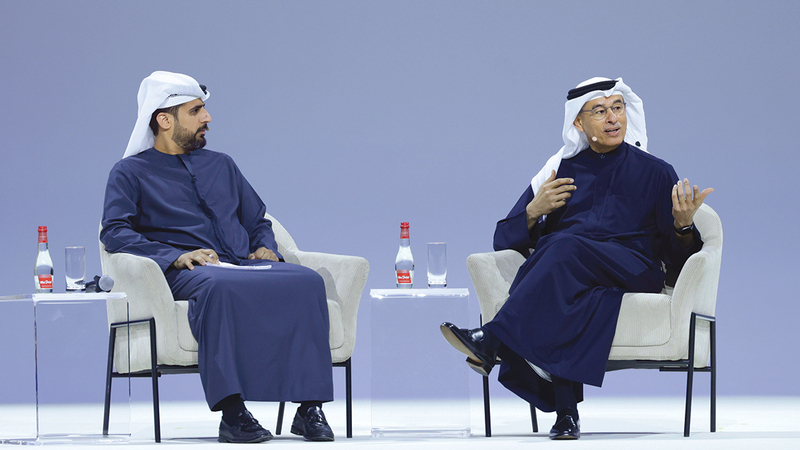
The agreement was signed by Mattar Al Tayer, Director General and Chairman of the Board of Executive Directors at RTA, and Mohamed Alabbar, Founder of Emaar and Noon, during the Dubai World Project Management Forum. Officials from both organisations attended the signing.
Al Tayer described the project as a strategic investment in Dubai’s urban core, highlighting the importance of public–private partnerships in delivering world-class infrastructure. He noted that the station plays a critical role in supporting tourism, economic activity, and smooth mobility in one of the emirate’s most visited districts. Over the past five years alone, passenger numbers at the station have grown by 7.5%.
Alabbar said the expansion aligns with Emaar’s vision of creating integrated urban destinations centred on accessibility and quality of life. He emphasised that efficient transport infrastructure is essential to supporting the millions of visitors drawn annually to the Burj Khalifa and Dubai Mall precinct, particularly during peak seasons.
Ridership at the station has shown consistent long-term growth. Passenger numbers rose from just over 6 million in 2013 to more than 10.5 million in 2024, with daily usage now averaging around 56,000 passengers. This upward trend is expected to continue through 2040.
Architecturally, the expanded station will retain the Dubai Metro’s signature shell-inspired design, with a focus on safety, clarity, and efficient passenger movement. The upgraded layout will integrate seamlessly with other transport modes, including buses, bicycles, and e-scooters, while ensuring full accessibility for people of determination, senior citizens, and families.